![[userpic]](/media/69a7ab71c484a5587cf1928b5404af73d19a0546aab61a943dfaa1640c2610ea)
| Коржибского моделирование | |||||
| 4. Наука и психическое здоровье | 30 | metanymous | |||
| 3. Метастратегия психического здоровья | 42 | vseslavrus | |||
| 2. A General Survey of Non-Aristotelian | 11 | metatheo | |||
| 1. Визуальные/Аудиальные стимулы (перевод А в V) | 30 | metanymous | |||
| Коржибского моделирование | |||||
| 1. Визуальные/Аудиальные стимулы (перевод А в V) | metanymous | ||||
| Коржибского моделирование | |||||
| 3. Метастратегия психического здоровья | vseslavrus | ||||
| Иное моделирование | |||||
| 31. Нейро-эпистемология по-Коржибскому | metanymous | ||||
| Re: офф | metatheo | ||||
http://metapractice.livejournal.com/359350.html
Читаем, анализируем Коржибского "Science and Sanity: An Introduction to Non-Aristotelian Systems and General Semantic".
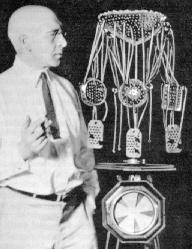

Читаем, анализируем Коржибского "Science and Sanity: An Introduction to Non-Aristotelian Systems and General Semantic".
11 комментариев
сначала старые сначала новые
Contents..................................................................................................... 11
Note on Errata............................................................................................... 16
Prefaces..................................................................................................... 17
    Preface to 5th Edition, 1993............................................................................. 17
    Preface to 4th Edition 1958.............................................................................. 27
    Bibliographical Note 1958................................................................................ 33
    Preface to 3rd Edition 1948.............................................................................. 35
    Introduction to 2nd Edition 1941......................................................................... 40
        A. Recent developments and the founding of the Institute of General Semantics........................ 40
        B. Some difficulties to be surmounted................................................................ 42
            1. The attitudes of 'philosophers', etc.......................................................... 42
            2. Perplexities in theories of 'meaning'......................................................... 45
            3. Inadequacy of forms of representation and their structural revision........................... 48
            4. Identifications and mis-evalutations.......................................................... 49
            5. Methods of the magician....................................................................... 51
        C. Revolutions and evolutions........................................................................ 51
        D. A non-aristotelian revision....................................................................... 55
        E. New factors: the havoc they play with our generalizations......................................... 58
        F. Non-aristotelian methods.......................................................................... 60
            1. Neurological mechanisms of extensionalization................................................. 60
            2. Neuro-semantic relaxation..................................................................... 62
            3. Extensional devices and some applications..................................................... 63
            4. Implications of the structure of language..................................................... 65
        G. Over/Under defined terms.......................................................................... 67
        H. The passing of the old aristotelian epoch......................................................... 72
            1. 'Maginot like mentalities'.................................................................... 72
            2. Wars of and on nerves......................................................................... 74
            3. Hitler and psycho-logical factors in his life................................................. 76
            4. Education for intelligence and democracy...................................................... 78
        Conclusion........................................................................................... 83
    Acknowledgements......................................................................................... 85
    Supplementary Bibliography to 2nd Edition................................................................ 86
    Preface to 1st Edition 1933.............................................................................. 91
    Acknowledgement..........................................................................................103
    Untitled.................................................................................................105
Book I - A General Survey of Non-Aristotelian Factors........................................................105
    Part I - Preliminaries...................................................................................109
        1. Aims, means and consequences of a non-aristotelian revision.......................................111
        2. Terminology and meanings..........................................................................123
            A. On semantic reactions.........................................................................123
            B. On the un-speakable objective level...........................................................138
            C. On 'copying' in our nervous reactions.........................................................140
        3. Introduction......................................................................................142
    Part II - General on structure...........................................................................157
        4. On structure......................................................................................158
        5. General linguistic................................................................................169
        6. On symbolism......................................................................................179
        7. Linguistic revision...............................................................................188
    Part III - Non-elementalistic structures.................................................................202
        8. General epistemological...........................................................................203
        9. Colloidal behaviour...............................................................................213
        10. The 'organism-as-a-whole'........................................................................225
            A. Illustrations from biology....................................................................225
            B. Illustrations from nutrition experiments......................................................228
            C. Illustrations from 'mental' and nervous diseases..............................................230
Part IV - Structural factors in non-aristotelian languages...............................................233
        11. On function......................................................................................234
        12. On order.........................................................................................252
            A. Undefined terms...............................................................................253
            B. Order and the nervous system..................................................................258
            C. Structure, realtions, and multi-dimensional order.............................................262
            D. Order and the problems of extension and intension.............................................272
            E. Concluding remarks on order...................................................................283
        13. On relations.....................................................................................289
        14. On the notion of infinity........................................................................305
        15. The 'infinitesimal' and 'cause and effect'.......................................................315
        16. On the existence of relations....................................................................321
        17. On the notions of 'matter', 'space', 'time'......................................................324
            A. Structural considerations.....................................................................325
            B. The neurological function of abstracting......................................................336
            C. Problems of adjustment........................................................................340
            D. Semantic considerations.......................................................................342
    Part V - On the non-aristotelian language called mathematics.............................................346
        18. Mathematics as a language of a structure simialr to the structure of the world...................347
        19. Mathematics as a language of a structure similar to the structure of the human nervous system....368
            A. Introductory..................................................................................368
            B. General.......................................................................................375
            C. The psycho-logical importance of the theory of aggregates and the theory of groups............380
            D. Similarity in structure of mathematics and of our nervous system..............................387
    Part VI - On the foundation of psychophysiology..........................................................412
        20. General considerations...........................................................................413
        21. On conditional reflexes..........................................................................424
        22. On 'inhibition'..................................................................................439
        23. On conditional reactions of higher orders and psychiatry.........................................456
Book II - A General Introduction to Non-Aristotelian Systems And General Semantics...........................464
    Part VII - On the mechanism of time-binding..............................................................466
        24. On abstracting...................................................................................467
        25. On the structural differential...................................................................482
        26. On 'consciouness' and consciousness of abstracting...............................................508
        27. Higher order abstractions........................................................................522
            A. General.......................................................................................522
            B. Multiordinal terms............................................................................529
            C. Confusion of higher orders of abstraction.....................................................539
        28. On the mechanism of identification and visualization.............................................548
        29. On non-aristotelian training.....................................................................565
        30. Identification, infantilism, and un-snaity versus sanity.........................................587
            A. General.......................................................................................587
            B. Consciousness of abstracting..................................................................595
            C. Infantilism...................................................................................604
            D. Constructive suggestions......................................................................622
        31. Concluding remarks...............................................................................633
Book III - Additional Structural Data About Languages And The Empirical World................................658
    Prefatory Remarks........................................................................................659
    Part VIII -  On the structure of mathematics.............................................................664
        32. On the semantics of the differential calculus....................................................665
            A. Introductory..................................................................................665
            B. On the differential calculus..................................................................666
                1. General considerations....................................................................666
                2. Maxima and minima.........................................................................680
                3. Curvature.................................................................................682
                4. Velocity..................................................................................683
            C. On the integral calculus......................................................................684
            D. Further applications..........................................................................686
                1. Partial differentiation...................................................................686
                2. Differential equations....................................................................687
                3. Methods of approximation..................................................................688
                4. Periodic functions and waves..............................................................689
        33. On linearity.....................................................................................695
        34. On geometry......................................................................................707
            A. Introductory..................................................................................707
            B. On the notion of the 'internal theory of surfaces'............................................713
            C. Space-Time....................................................................................718
            D. The application of geometrical notions to cerebral localization...............................722
Part IX - On the similarity of empirical and verbal structures...........................................726
        35. Action by contact................................................................................727
        36. On the semantics of the Einstein theory..........................................................738
        37. On the notion of 'simultaneity'..................................................................749
        38. On the 'world' of Minkowski......................................................................755
        39. General reflections on the Einstein theory.......................................................763
    Part X - On the structure of 'matter'....................................................................772
        40. The older 'matter'...............................................................................773
        41. The newer 'matter'...............................................................................786
            A. Introductory..................................................................................788
            B. The nature of the problem.....................................................................790
            C. Matrices......................................................................................793
            D. The operator calculus.........................................................................799
            E. The new quantum mechanics.....................................................................802
            F. The wave mechanism............................................................................808
            G. Structural aspects of the new theories........................................................812
Supplement I - The Logic of Relativity.......................................................................817
Supplement II - The Theory of Types..........................................................................825
Supplement III - A Non-Aristotelian System And Its Necessity For Rigour In Mathematics And Physics...........835
Notes And References.........................................................................................850
Bibliography.................................................................................................853
Catalog......................................................................................................868
Index........................................................................................................876
The Institute of General Semantics (IGS) is a not-for-profit corporation established in 1938 by Alfred Korzybski, to support research and publication on the topic of General Semantics. The Institute publishes Korzybski's writings, including the seminal text Science & Sanity, and books by other authors who have studied or taught general semantics, such as Robert Pula, Irving J. Lee, Wendell Johnson, and Stuart Chase. Every year since 1952, it has sponsored the Alfred Korzybski Memorial Lecture, with presenters from a broad range of disciplines, from science to medicine to entertainment, including names like actor Steve Allen, psychologist Albert Ellis, scientist and visionary R. Buckminster Fuller, linguist Allen Walker Read, and philosopher F. S. C. Northrop. The Institute offers periodic seminars, workshops and conferences and is headquartered in New York City.http://en.wikipedia.org/wiki/Institute_of_General_Semantics
http://www.generalsemantics.org/
http://www.youtube.com/user/InstituteofGS
![[userpic]](/media/26d2bbfb3b8ac4c2e0c36a79d0b593d0e72fd8b0bc8e4a858c1d92ab89b63be6)
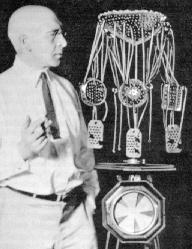
Нашел у одного деятеля, файл из гуглдокументов, расшарен для всех:
https://docs.google.com/document/d/1etdg2bhPnd9G0wzIJZZ_VL9FGp5kP1YOgNO2KAcBpjs/edit
https://docs.google.com/document/d/1etdg2bhPnd9G0wzIJZZ_VL9FGp5kP1YOgNO2KAcBpjs/edit
Брошюра одного из учеников АК - как раз на тему "обозреть" в общем ОбщС:
http://www.mediafire.com/download/ae970mdtd6bqdq8/Johnson+-+GS+an+Outline+Survey.pdf
Бегло просмотрел - на мой взгляд, адекватная, автор не переврал.
(Вообще, ситуация с учениками АК интересная, - вроде бы и развивать не стали дальше ОбщС, зато не стали перевирать.)
http://www.mediafire.com/download/ae970mdtd6bqdq8/Johnson+-+GS+an+Outline+Survey.pdf
Бегло просмотрел - на мой взгляд, адекватная, автор не переврал.
(Вообще, ситуация с учениками АК интересная, - вроде бы и развивать не стали дальше ОбщС, зато не стали перевирать.)